

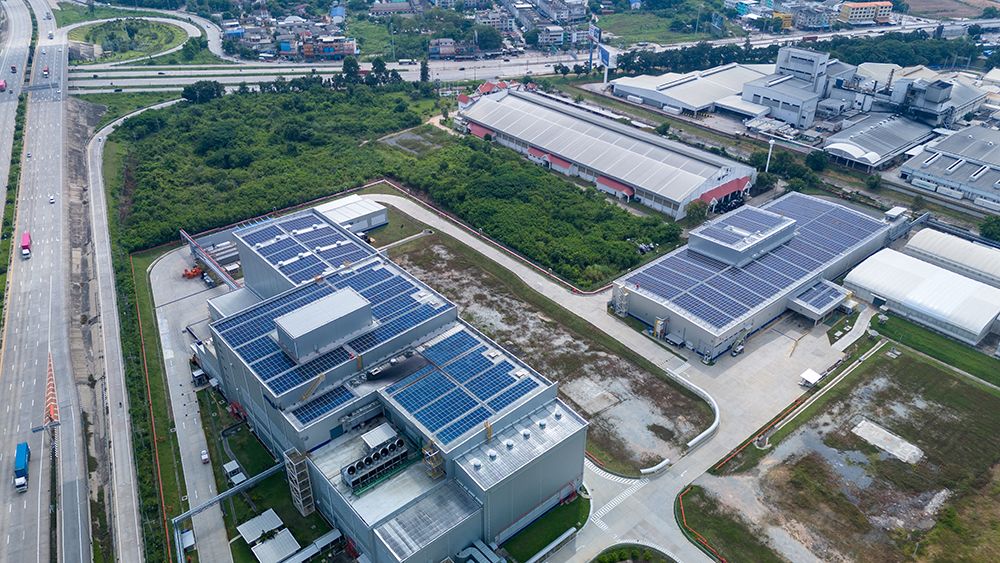
Alberta’s proposed rules for large data centres would set a 600-metre minimum distance from homes, bar facilities from some of the province’s most productive farmland and establish new limits for cooling water.
The measures are part of Bill 42, the Energy, Environment and Utilities Statutes Amendment Act, 2026, introduced in the legislature on Nov. 18. The bill has not become law. If passed, many operating details would still be set through regulations and Alberta Utilities Commission rules.
The proposed setback would apply to new data centres with a power demand of 10 megawatts or more. The province describes 600 metres as the distance from the edge of the project site to the nearest home. Municipalities could ask the Alberta Utilities Commission for an alternative setback where local planning supports the development.
The land provisions would prevent large facilities from being built on designated high-quality agricultural land or on irrigated land. Alberta says the protected area would include about 14 million acres: Class 1 and 2 farmland across the province, along with Class 3 land in municipalities that have no Class 1 or 2 soil.
The province also proposes a provincewide standard intended to bring data centres’ cooling-water use close to zero. Operators would have to measure and report water use, and meet monitoring and oversight requirements. The bill would require facilities to be designed and operated so excess heat can be recovered for possible use by greenhouses, industry or homes.
The details matter because the legislation sets a direction while leaving technical standards for later. The government has not yet published the final water standard, including how “close to zero” would be measured or what exceptions might apply. Alberta says those requirements would be developed through regulations and commission rules, with input from municipalities, industry, Indigenous communities and the public.
Bill 42 would also make the Alberta Utilities Commission the main provincial regulator for data centres of at least 10 megawatts. The commission would oversee requirements covering setbacks, noise, lighting, heat recovery, water use and farmland. Existing noise rules would continue alongside the proposed distance buffer.
The new bill would also require data-centre proponents to pay for wires within their project footprint, building on existing rules requiring them to fund transmission upgrades they need. Alberta says a new Data Centre Designation would give qualifying projects more options to meet electricity needs while preventing project infrastructure costs from being passed to ratepayers.
Technology and Innovation Minister Nate Glubish said about 30 per cent of current data-centre proposals could be affected by the proposed changes. He did not provide a project-by-project breakdown or clarify how many affected proposals are in the early planning stage. The estimate is not a count of projects that will be rejected; proposals would still be assessed under rules applying to their locations and designs.
For Chestermere-area readers, the provincewide legislation raises questions that can only be answered once a specific site and application are known. The announced rules do not identify a local proposal or say whether any project near Chestermere would be affected. The threshold, the site’s distance from homes, its land classification and the final regulations would all matter.
The bill follows public engagement that Alberta says included four town hall meetings in August and September, a government survey and ongoing feedback. The government presents the changes as a way to protect communities and agricultural land while continuing to attract investment. That balance will be tested in the details: which sites remain eligible, how water use is measured, and how residents and municipalities can take part in reviews.
A data centre is a building containing servers and network equipment that support digital services. Facilities designed for artificial intelligence can require substantial computing capacity and a steady electricity supply. The province says each proposal will continue to be reviewed on its own merits.
Bill 42 also covers other areas, including environmental penalties and oil and gas well cleanup, but the data-centre provisions are the most direct response to questions about where large projects may be built. Until the legislature considers and passes the bill and the province publishes its regulations, the proposed setbacks and operating standards remain plans rather than requirements. The debate is just beginning.